
It is a common belief among older adults that weight loss is an obvious outcome that is effective without any downsides. As the number on the scale drops, it indicates better cardio vascular health, enhanced mobility, and renewed energy. However, there is always another side to the story that people skip to discuss. And this matters more than what people may realize.
Losing weight for seniors is achievable, yet it comes with a cost. While fat is reduced, the body starts losing its muscle and also experiences a drop in its bone strength. This is enough to set a paradox in the endeavor of better health, where you might weaken every foundation that keeps you mobile and active. The advancement in different solutions, such as a weighted vest for osteoporosis have started to change the way people consider safe and long-term weight loss.
Therefore, the concern becomes evident. How to achieve fat loss goals without losing strength?
Let’s find out in detail!
The Overlooked Impact on Bone Health
Along with weight loss, your body’s mechanical load also decreases. This load plays an essential role in retaining bone’s integrity. However is often found as something to reduce. If this is not present, bones fail to get stimulated, leading to reduced density that intensifies over time.
Specifically, this is an essential factor when discussing bone mineral density. This is the key indicator of bone’s enduring potential and resilience. As it drops, the risks to fractions or issues over mobility increase. This is something no one would expect, mainly when the real goal for weight loss is to feel strong and healthy even in older years. It is the sole reason why effective solutions are designed like weighted vests for osteoporosis, which is garnering a lot of fame since it supports bone health during weight loss.
Another astonishing fact is that being highly active never resolves the issues.
In numerous instances, increased movement without proper load can cause adverse changes to the bone’s structure.
A Breakthrough Insight: “Replacing” the Weight
Recent studies are redefining our mindset about physical strength and weight loss. Research at Wake Forest University and data supported by Frontiers in Aging highlighted an important concept. It emphasized not just losing weight, but also replacing it.
The factor that makes it more alluring is that it is a straightforward, mechanical solution that works optimally with your body – not against it!
It is evident from individuals who used a weighted vest daily and witnessed significant differences compared to those who did not. This is what the findings were:
- Individuals losing weight without additional load experienced reduced bone strength irrespective of spending time moving or standing.
- Individuals in a weight loss journey also used wearable load and witnessed significant enhancements, mainly in their upright position and higher activity levels.
The inference drawn is clear: The body works with the stimulus, not against it.
Whenever a stimulus is maintained, even if artificially, you give your bone the support to stay strong. As a matter of fact, using a weighted vest for osteopenia is an evolving topic as a practical approach to support early-stage bone loss.
Only Movement Isn’t Enough
A common belief prevails among individuals that moving their bodies more can work. Although movement is important, it is only a small part of the complex math involved.
The real difference lies in how your body experiences that movement. Studies have prioritized the importance of the “upright factor.” It is the time spent standing or walking with the load. However, the key factor that was missing was the benefits. It increased with further consistent exposure.
To put it simply, this means integrating your daily routine with simple, repeatable habits. It includes:
- Spend more time standing
- Walk frequently instead of sitting for extended periods
- Add light resistance to your regular movement patterns
- Remain consistent with hours of upright activities
- Integrate natural movements into your daily routines
This highlights the real essence of functional load. It is not related to intense workout or lifting heavy weight in short intervals. It is about including resistance into your daily life that appears long-term and natural.
Designed for Real Life: A Smarter Way to Stay Strong
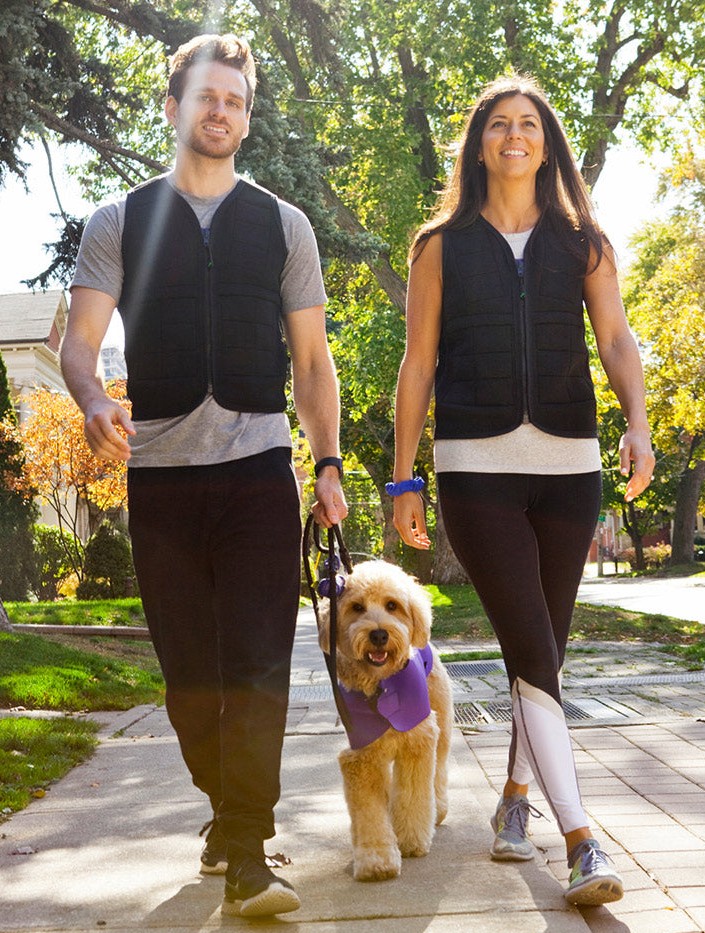
The concept is fruitful if it merges effortlessly into your daily regime. To align with the study’s protocol successfully, it is important to highlight wearing vests for prolonged time for about 8 hours a day. So, ergonomics and comfort alone is not something good to have. They are simply “Must-Have.”
At Power WearHouse, our approach aims to make long-term wear effortless!
Long-Term Comfort That Fits Your Day
Compared to earlier options that appeared limited and felt heavy, a power weighted vest is typically engineered to be worn under regular clothing. It is private, streamlined and built for prolonged use to help you smoothly transition into your routine without any hurdles. Yet the benefits you receive are evident.
For instance, an adjustable weighted vest helps you fine-tune your strength while your body transitions over time. Achieving these “upright hours” consistently is simply achievable.
A Flexible Option for Sensitive Areas
It is common that not everyone can feel comfortable with even weight distribution across back and shoulders. It is where a power weighted belt offers the best alternative.
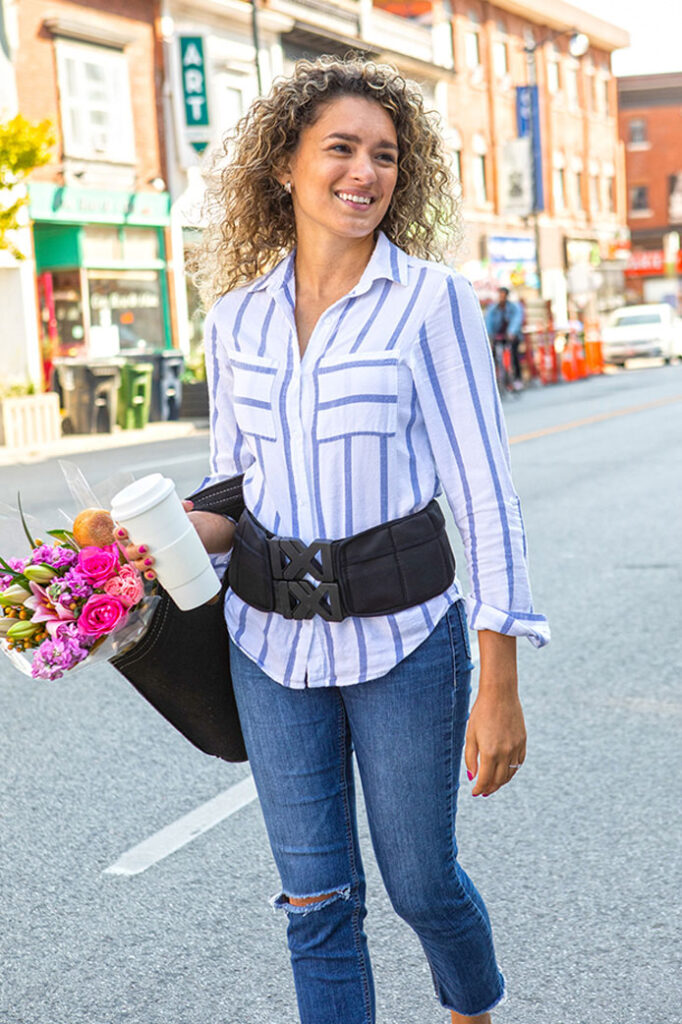
It works by shifting equal weight to the hips and offer similar stimulus that reduces strain on the other sensitive areas.
Adapting as Your Body Changes
Weight loss is never static and neither should your approach be so. Adjustable loading can help align your strength with the weight you have lost. This helps in maintaining balance of your whole body system.
The notion behind variable loading ensures that you achieve your weight loss goals, strength, and structure without disrupting your daily lifestyles. Furthermore, it helps maintain the skeletal and metabolic “status quo,” which helps you stay strong while losing weight.
Rethinking Weight Loss for Long-Term Health
Losing weight should not be simply about realizing that the scale dropped by a few notches. It must be a process of creating something that helps you stay competent and prepared for the future.
The idea of adding load in a clever, consistent manner means that you are not merely trying to mitigate possible disadvantages. You are actually making your goals more achievable. Your body may be changing, but you are also providing your bones and muscles with a reason to stay engaged.
This change of perception is what makes weight loss not a short-term goal but a long-term goal of health and independence.
The Bottom Line: Don’t Just Lose It—Replace It
Weight loss doesn’t have to come with compromise. With the right approach, you can reduce fat while preserving—and even improving—your body’s strength and stability.
The idea is simple, but powerful: don’t just lose weight, replace it with purposeful resistance. Keep your body challenged, supported, and strong. Approaches like a weighted vest for Osteoarthritis are helping individuals stay proactive about long-term bone health.
If you’re ready to take a smarter approach to your health journey, Power WearHouse offers solutions designed for real life—helping you stay active, comfortable, and resilient every step of the way.
Contact us today to learn how you can integrate wearable resistance into your daily routine and protect what matters most!
Frequently Asked Questions
Can older adults safely use weighted wearables daily?
Yes, when properly fitted and gradually introduced, weighted wearables are safe for most older adults.
How much weight should I start with in wearable resistance gear?
Start with light resistance, typically 5–10% body weight, then gradually increase based on comfort levels.
Do weighted wearables help improve balance and coordination over time?
Yes, consistent use can enhance stability, proprioception, and coordination, supporting better balance during daily activities.