
Weighted vests have become increasingly popular amongst walkers, fitness enthusiasts, office workers, and athletes who want to increase the intensity of their movements without changing their whole life. Using resistance during your walks, mobility work, or household movement can improve muscular endurance, awareness of your posture, and conditioning.
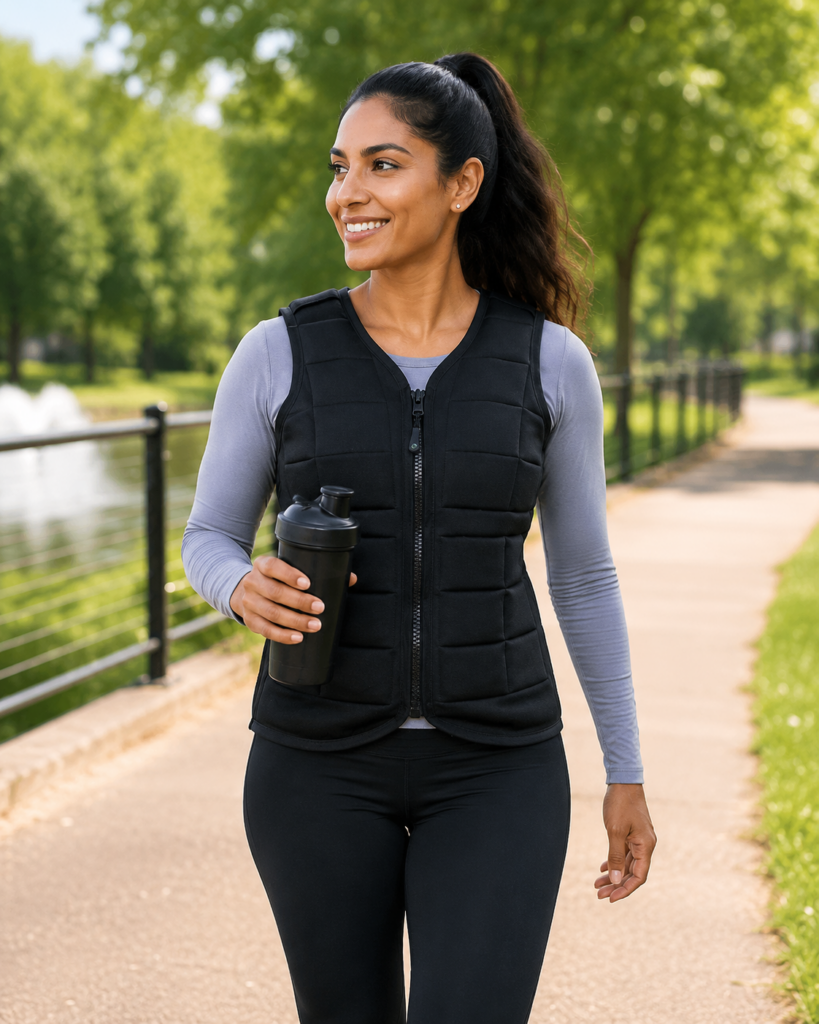
Physical activity strengthens muscles, improves balance, and promotes long-term bone health, as stated by the Centers for Disease Control and Prevention (CDC). The number of adults suffering from posture-related discomfort and physical inactivity is on the rise, owing to increasingly sedentary lifestyles.
Proper equipment selection and safe training techniques play an important role in getting the biggest benefits with a minimum of strain. More and more people are using the weighted vest for daily use to increase movement efficiency in a safe manner during walking and low-impact activities.
Why Weighted Vests Have Gained Attention
Weighted vests give you resistance in an even manner throughout the torso to increase intensity. When you try to do simple things like walking, climbing stairs, stretching, or being mobile, things get hard. You can’t do advanced workouts anymore, but you actually don’t need to.
There are several reasons they are becoming increasingly popular:
- Better movement efficiency
- Resistance training without hands
- Became aware of one’s posture
- Enhance muscle activation
- Invest in trained applications
- Weight can be changed
The design of modern vests ensures user comfort and offers a high degree of flexibility and balanced weight distribution for safer long-term use.
How Daily Weighted Vest Use Affects the Body
The extra resistance forces the body to recruit stabilizing muscles more throughout the movement. Glutes, shoulders, and leg muscles work harder to maintain balance and posture, along with core muscles.
Regular use may offer the following benefits.
- Enhance muscle endurance
- Spending more calories
- Enhanced stability and harmony
- Greater posture awareness
- More powerful core engagement
- Raised walking strength
According to research published by the National Institutes of Health (NIH), the correct form of wearable resistance training may improve muscular performance and even movement efficiency when worn progressively and safely.
It is since, when wearing a weighted vest for daily use, excessive resistance can increase stress on joints and soft tissues, controlled progression is essential.
Is Daily Use Safe for Everyone?
Using a weighted vest on a regular basis can be advantageous to healthy adults as long as levels of resistance are moderate and the quality of movement remains consistent. A person’s body condition, level of fitness, mobility, and vest design all have a great effect on safety.
Many things influence safe usage, including:
- Prior injuries to the spine
- Heart-related restrictions
- Bad postural habits
- Heavy load on my vest
- Improperly fitted equipment
Pain, numbness, feeling dizzy, or having difficulty breathing from too much strain should never be ignored. A compression vest for adults that is properly fitted should feel tight but shouldn’t restrict natural movement.
Common Mistakes That Increase Injury Risk
Weighted vest issues are mostly due to misuse. A common misconception among newbies is that using heavier resistance automatically yields quicker results, when it may cause undue strain on joints and muscles.
Mistakes that happen frequently include:
- Picking too much weight too soon
- Wearing vests that are unbalanced
- Neglecting position while moving
- Constant use of vests for longer periods
- Running with no training
- Going on even with pain or exhaustion
Fitness experts usually advise that 5-10% of total body weight is a good starting point with incremental increases gradually.
Why Proper Weight Distribution Matters
The placement of balanced resistance significantly affects comfort and movement quality. A badly designed vest puts pressure on the shoulders, spine, or lower back, which increases the chances of discomfort.
This construction helps to support the vest.
- Improved spinal posture
- Enhanced balance regulation
- Less stress on the shoulders
- A greater range of motion
- Safer, long-term wear
The design of the calming vest for kids plays a crucial role in determining whether the weighted vest is safe for everyday use.
Posture and Core Engagement Benefits
Poor posture often results from weakened core strength, prolonged sitting, and reduced upper back activation. Weighted resistance encourages stabilizing muscles to remain active while walking and performing movement activities.
Regular low-impact exercise may help:
- Improved spinal alignment
- Better shoulder positioning
- Greater bodily awareness
- Less slouching
- Might give you strong postural muscles
Often, gradual muscular adaptation occurs over time rather than through forced correction.
Daily Wear Duration Recommendations
Spending a longer time wearing them won’t give better results. If the duration is too long, it may cause fatigue, soreness, or overload of the muscles without enough recovery.
The majority of newcomers take advantage of.
- Start with brief strolls
- spend thirty to sixty minutes doing so daily
- An accumulation of weekly increases
- Regular stretches
- Constantly monitor posture
By allowing your body to adapt safely to a stimulus, controlled progression minimizes excessive joint stress.
Sensory Support for Children
Children who have developmental disabilities can benefit from clothing that provides safe, gentle, deep pressure. A calming vest for kids might help them feel more comfortable, focused, and more aware of their bodies during activities and learning routines.
According to the National Institute of Mental Health (NIMH), millions of children across the world suffer from autism spectrum disorder, and sensory regulation challenges often affect their ability to focus, move, and behave.
Parents and therapists often incorporate calming sensory clothing into larger sensory-support strategies that create safety, regulation, and comfort. Indispensable during use, proper supervision and professional guidance remain essential.
Warning Signs You Should Never Ignore
These indications show that the vest was not utilized properly, or it was too physically overwhelming.
Take heed of warning signs:
- Continuous neck pain
- Numb shoulder
- Pain in the lower back
- Breathing is limited
- Muscle fatigue due to overwork
- Joint pain while moving
Whenever we train in a safe manner, we should always prefer movement quality and physical comfort over heavier resistance.
Build Safer Daily Movement Habits with the Right Support
Wearing a weighted vest for daily use may support your posture, muscular endurance, movement efficiency, and body awareness if done well. In terms of long-term safety and effectiveness of exercise, appropriate fit, balanced or gradual progression, and controlled movement patterns continue to be crucial.
Power Wear House’s premium sensory-support and resistance-training solutions combine maximum comfort and durability with ergonomic design for safer everyday performance. Shop for high-quality vest options now and enhance your movement practice in confidence, comfort, and with smarter daily training support!
Frequently Asked Questions
Can weighted vests damage the back?
Overuse resistance or poor positioning can increase strain on the spine and cause muscle soreness during long wear.
How heavy should beginners start with?
Most novices typically start gradually using five to ten percent of their overall body weight safely.
Can weighted vests improve posture naturally?
Regularly activating your muscles and becoming more aware of your body may eventually enable you to achieve healthier posture and spinal alignment.
How long should weighted vests be worn daily?
If a beginner is just starting, short sessions of 30 to 60 minutes allow for a safer adaptation.